Sciatica and nerves
Sciatica causes pain that runs down the back of one leg
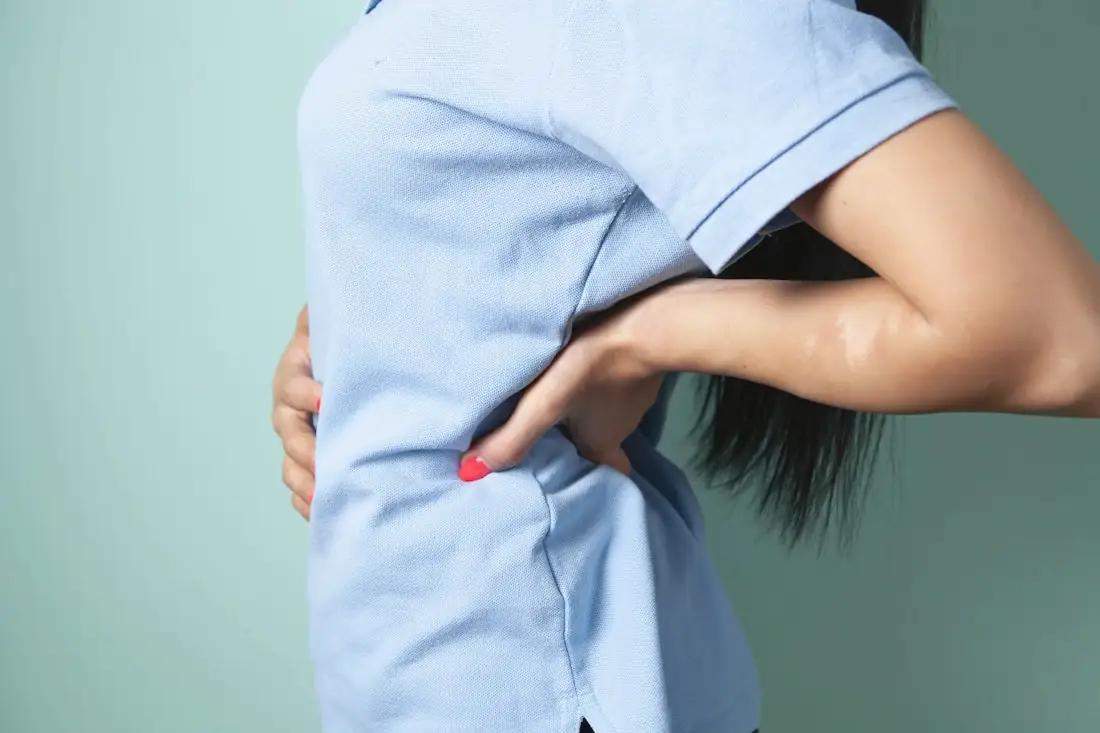
Sciatica usually shows up as pain in your buttock and the back of one leg, and it often reaches your foot and toes [1]. Back pain may come with it, but it is usually milder than the leg pain [1].
Key points
- Sciatica pain usually travels down the back of one leg, sometimes to the foot and toes [1].
- Numbness, pins and needles, burning or weakness can come with the pain [2].
- Moving, sneezing and coughing can make it worse, while staying gently active may help [1][2].
- Severe or worsening weakness or numbness in both legs, numbness around the genitals or anus, or bladder and bowel changes that are not normal for you need emergency care [1].
- Most sciatica improves over weeks to months, but it can last longer or return [1].
The sciatic nerve sends sciatica pain from the lower back down one leg
Sciatica happens when the sciatic nerve is irritated or squeezed [1]. This nerve runs from your lower back to your feet [1]. The symptoms usually affect your buttock and the back of one leg, and they often include your foot and toes [1].
- A sharp, burning pain down the back of the leg [1].
- Pain that feels like a bad leg cramp, sometimes sharp like a knife or electrical [2].
- Pain that comes on suddenly, or that starts slowly [1].
- Cramp-like pain that can last for weeks before it goes away [2].
Sciatica is a broad term for nerve pain, not a specific diagnosis [2]. Sciatic pain occurs when a nerve root in the lower spine is squeezed [2].
Sciatica can add numbness and weakness to leg pain
Pain is not the only symptom. You may also notice weakness, pins and needles, numbness, or a burning or tingling feeling down your leg [2]. Sciatica pain often follows a path below the knee, and numbness, pins and needles or muscle weakness often go with it [3].
The symptoms can be hard to predict. People who live with this kind of nerve pain describe symptoms that rise and fall, and they also describe disrupted sleep and emotional strain [4].
Movement and coughing change how sciatica pain feels
Your pain may be worse when you move, sneeze or cough [1][2]. Staying gently active is usually better than staying still [1][2].
| Often makes it worse | May help |
|---|---|
| Moving, sneezing or coughing [1][2] | Carrying on normal activities as much as you can [1] |
| Sitting or lying down for long periods, which can slow recovery [1] | Gentle exercise as soon as you can, such as short walks [1][2] |
| Too much bed rest, which can cause discomfort in other parts of the body [2] | Heat packs, or gentle heat or cold on sore muscles [1][2] |
Even if moving hurts, it is not harmful and can help you get better faster [1]. Motion helps reduce inflammation, so look for comfortable positions but stay as active as you can [2]. A pharmacist can advise you about painkillers [1].
Sciatica differs from ordinary back pain in where the pain is strongest
With sciatica, the leg pain is usually worse than any back pain [1]. Sciatica travels along the nerve into the buttock and leg, and back pain may come with it [1][5].
Other problems can look similar. Pain in the groin with stiffness and limited motion points more toward arthritis of the hip joint [3]. Pain that follows a nerve path below the knee, with numbness or weakness, points more toward the spine [3]. Hip arthritis can also cause buttock pain that is mistaken for nerve pain from the spine, and both problems can exist together [3].
Scans do not settle the question alone. Wear and tear on the spine and hip is common in people who have no symptoms, so imaging is read together with an exam [3]. During the exam, a doctor may ask you to squat and rise, walk on your heels and toes, or lift your leg while you lie down [2].
- A common cause is a slipped disc, when a soft cushion of tissue between the bones in your spine pushes out [1].
- Spinal stenosis, a narrowing of the part of the spine where nerves pass through, can also press on the nerve [1].
- A bone in the spine slipping out of position can do the same [1].
- Under age 40, the cause is typically a herniated disk. Older adults more often have bone spurs and arthritis [2].
Not every slipped disc causes symptoms, and many people never know they have one [5].
When to get care
Sciatica with bladder or bowel changes or numbness between the legs needs emergency care
Some signs can point to a serious back problem that needs hospital treatment as soon as possible [1]. These need emergency care:
- Weakness or numbness in both legs that is severe or getting worse [1].
- Numbness around or under your genitals, or around your anus [1].
- Trouble starting to pass urine, being unable to pass urine, or not being able to control it, when this is not normal for you [1].
- Not noticing when you need a bowel movement, or not being able to control it, when this is not normal for you [1].
- Back pain that began after a serious accident, such as a car accident [5].
If you have any of these signs, do not drive yourself. Ask someone to drive you, or ask for an ambulance [1][5].
If you think you may have a medical emergency in the United States, call 911 or go to the nearest emergency room.
Sciatica usually improves within weeks to months but can return
Sciatica usually gets better in a few weeks to a few months, but it can last longer [1]. If you have had it before, it can come back [1].
Roughly 80 to 90 percent of people get better over time without surgery, typically within several weeks when a herniated disk is the cause [2]. If bone spurs and narrowing of the spinal canal are the cause, nonsurgical treatment is less successful, but there is still a good chance of improvement [2].
Get help if the pain has not improved after a few weeks of home treatment, or if it stops you doing your normal activities [1]. With a slipped disc, a very high temperature or feeling hot, cold or shivery is also a reason to get medical advice [5]. Surgery may be considered if you still have disabling leg pain after 3 or more months of nonsurgical treatment [2].
Before your appointment
Be ready to explain how the pain started, where it travels and exactly what it feels like. Your doctor will ask these questions first [2].
Sources
- Sciatica nhs.uk
- Sciatica orthoinfo.org
- Differentiating Sciatica from Hip Osteoarthritis: Diagnostic Challenges and the Role of the Athena Sign Diagnostics (Basel, Switzerland)
- Supporting sciatica: a qualitative evidence synthesis of the needs and preferences of people with lumbar radicular pain when self-managing their condition Disability and rehabilitation
- Slipped disc nhs.uk
Not medical advice. This page is general education written from the sources above. It cannot diagnose a condition or replace a licensed clinician who knows your history. If you may be having an emergency, call your local emergency number or go to the nearest emergency department.