Sciatica and nerves
Sciatica starts when something presses on a nerve in your lower back
Sciatica happens when the sciatic nerve, which runs from your lower back to your feet, is irritated or squeezed [1]. A slipped disk is the most common reason, but other changes in the spine can do it too [1].
Key points
- Sciatica is a name for nerve pain, not a diagnosis on its own, so doctors look for what is pressing on the nerve [2].
- A herniated disk is the most common cause, and it is more likely as you get older [1].
- Spinal stenosis, a bone slipping out of position, bone spurs and arthritis can also press on the nerve [1][2].
- Lifting with your back, extra weight, long sitting, little exercise and smoking can raise your risk [1][3].
- Numbness around the genitals or anus, or new trouble controlling your bladder or bowels, needs emergency care [1].
Pressure on the sciatic nerve causes sciatica
Sciatica happens when something presses or rubs on the sciatic nerve [1]. The pain usually affects your bottom and the back of one leg, and it often reaches your foot and toes [1].
Doctors treat sciatica as a broad term for nerve pain, not a specific diagnosis [2]. The pain occurs when a nerve root in the lower spine is squeezed [2]. The diagnosis is the underlying problem that is doing the squeezing [2].
The cause matters because different causes affect different age groups and can respond differently to treatment [2].
A herniated disk is the most common cause of sciatica
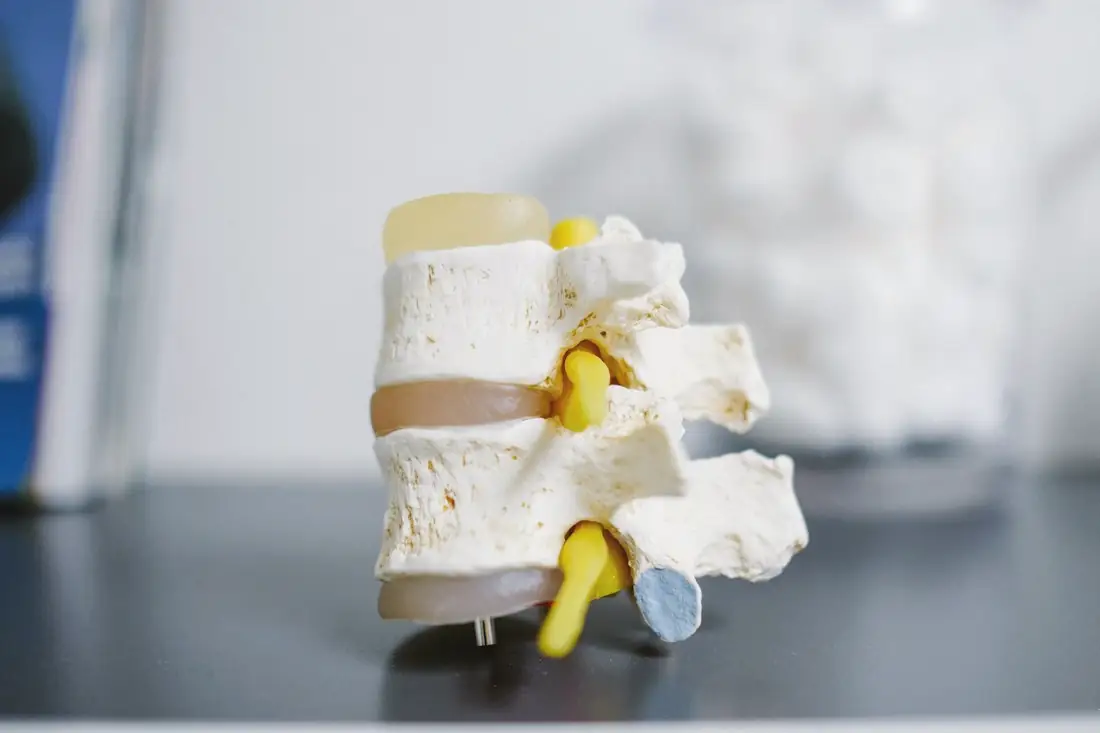
Between each bone of your spine sits a soft, round cushion called a disk. These disks act like shock absorbers when you walk, run or jump [3]. A herniated disk, also called a slipped or ruptured disk, happens when the soft, jelly-like center pushes through the tough outer ring [3].
This is the most common cause of sciatica, and it becomes more likely as you get older [1]. In people under 40, a herniated disk is typically the cause [2].
- The bulging disk can squeeze the nearby nerve roots [3].
- The disk material also releases chemical irritants that add to nerve inflammation [3].
- It can happen slowly from wear and tear, or suddenly after an injury such as a fall [3].
- With age, disks lose water, shrink and become less flexible, so they are more likely to tear or bulge [3].
Even when a herniated disk is very painful, most people feel better within a few weeks or months without surgery [3].
Spinal stenosis and slipped bones can also press on the nerve
| Cause | What happens |
|---|---|
| Herniated disk | The soft center of a disk pushes out and presses on a nerve [3] |
| Spinal stenosis | The part of the spine where nerves pass becomes narrow [1] |
| Spondylolisthesis | One of the spinal bones slips out of position [1] |
| Bone spurs and arthritis | Wear and tear changes press on the nerve, and older adults typically get sciatica this way [2] |
If the pressure comes from bone spurs and spinal stenosis, nonsurgical treatment is less successful than with a herniated disk. There is still a good chance of improvement [2].
Smoking and heavy lifting raise your risk of sciatica
You are most likely to get sciatica between the ages of 30 and 75 [2]. Men between 20 and 50 are the most likely to have a herniated disk [3]. Several everyday factors can add to the risk [3].
- Lifting heavy objects with your back muscles instead of your legs, or twisting while you lift [3].
- Being overweight, which adds stress on the disks in your lower back [3].
- Repetitive activities that strain your spine, and jobs that involve constant lifting, pulling, bending or twisting [3].
- Sitting for long periods, along with vibration from a car engine [3].
- Not exercising regularly [3].
- Smoking, which can increase your risk of sciatica [1]. It is believed to lessen the oxygen supply to the disk and speed up its wear [3].
Lowering your odds
Using a safe lifting technique, keeping good posture when you sit and stand, and not smoking may reduce the chance of sciatica coming back [1].
When to get care
Loss of bladder or bowel control can signal a serious spinal problem
Certain signs can point to a serious back problem that needs to be treated in a hospital as soon as possible [1]. These signs need emergency care [1]:
- Weakness or numbness in both legs that is severe or getting worse [1].
- Numbness around or under your genitals, or around your bottom [1].
- Trouble starting to pee, being unable to pee, or not being able to control when you pee, when this is not normal for you [1].
- Not noticing when you need to poo, or being unable to control when you poo, when this is not normal for you [1].
Loss of bladder or bowel control from a herniated disk is extremely rare, but it can mean spinal nerve roots are being compressed [3]. Do not drive yourself to the emergency room. Ask someone to drive you or get an ambulance [1].
If you think you may have a medical emergency in the United States, call 911 or go to the nearest emergency room.
Sciatica often improves on its own but it can return
Sciatica usually gets better in a few weeks to a few months, but it can last longer [1]. About 80 to 90% of people get better over time without surgery [2].
Staying in bed is not advised. Too much rest may cause other parts of the body to feel discomfort, and motion helps reduce inflammation [2].
Sciatica can come back, and a disk can rupture again [1][2]. Surgery may be considered if you still have disabling leg pain after 3 or more months of nonsurgical treatment [2].
Sources
- Sciatica nhs.uk
- Sciatica orthoinfo.org
- Herniated Disk in the Lower Back orthoinfo.org
Not medical advice. This page is general education written from the sources above. It cannot diagnose a condition or replace a licensed clinician who knows your history. If you may be having an emergency, call your local emergency number or go to the nearest emergency department.