Lower back and hip
Lower back pain has many causes including muscle strain and disc wear
Lower back pain has many causes, including strained muscles or ligaments, disc problems and joint wear, and it often improves within a few weeks [1][2]. Sometimes no specific cause can be found [3].
Key points
- A pulled muscle or overstretched ligament is a common cause, often after an activity your body is not used to [1][2].
- Discs and joints wear with age, but these changes do not keep most people from living pain-free lives [2].
- Inactivity, extra weight, physically demanding or sitting-heavy jobs, poor sleep, depression and anxiety can raise your risk [3].
- Smoking has been found to speed up disc degeneration, the breakdown of spinal discs [2].
- Numbness or weakness in both legs needs emergency care, and pain with fever, chills or weight loss is a reason to call your doctor [1][2][3].
Strained muscles and ligaments are a common cause of lower back pain
A pulled muscle is a common cause of back pain, and it often gets better on its own [1]. Muscle and ligament fibers can be overstretched or injured [2].
This often follows an activity your body is not used to. Examples include the first softball or golf game of the season, or too much yard work or snow shoveling in one day [2]. The stiffness and soreness usually go away within a few days [2].
A sprain is an injury to the ligaments that support the spine, and it often happens from twisting or lifting improperly [3]. Tight, painful muscles along the spine can also come from muscle damage or from nerve signals sent to those muscles from the spine [3].
Intervertebral discs can wear down or herniate and press on nerves
Discs are cushion-like pads between the vertebrae, the small stacked bones of the spine. They act as shock absorbers and spacers [3]. Pain that does not go away within a few days may point to a disc injury [2].
- Small tears in the outer part of a disc sometimes occur with aging. Some people with tears have no pain at all, and others have pain lasting weeks, months or longer [2].
- A disc herniates when its jelly-like center pushes against, and sometimes all the way through, its outer wall. If it bulges toward the spinal canal, it can press on sensitive spinal nerves and cause pain [2].
- A herniated disc in the low back often presses on the nerve root leading to the leg and foot. Pain can then show up in the buttock and down the leg [2].
- Sciatica is pain in the buttock and leg, sometimes with numbness, tingling or weakness down to the foot. It is commonly linked to a herniated disc [2].
- Herniation may follow lifting, pulling, bending or twisting [2].
It is not clear why some people with disc changes have pain and others do not [2].
Worn joints and shifting vertebrae can narrow the space around spinal nerves
As you age, your spine changes. These changes can start in your 30s or even younger, and they can make you prone to back pain, especially if you overdo your activities [2]. Most people with these changes still lead productive and generally pain-free lives [2].
| Problem | What happens |
|---|---|
| Facet joint wear (osteoarthritis) | Discs shrink and the small joints at the back of the spine rub together, causing pain and stiffness [2]. |
| Slipped vertebra (spondylolisthesis) | One vertebra slides forward on another. Too much slippage can press on spinal nerves [2][3]. |
| Spinal stenosis | The spinal canal narrows and squeezes the spinal cord and nerves. Bone spurs and thickened ligaments can contribute [2][3]. |
| Compression fracture | Weakened bones (osteoporosis) can break after minor trauma, such as a ground-level fall [2]. |
| Abnormal spine curve | May cause back pain, and leg pain, weakness or numbness if nerves are pressed [2]. |
Inactivity and demanding jobs raise the risk of lower back pain
Several risk factors can combine, and a specific cause is not always found [3]. Almost every adult has low back pain at some point [2].
- Fitness: back pain is more common in people who are not physically fit. Weak back and stomach muscles may not support the spine well, and exercising too hard after a period of inactivity also raises the chance [3].
- Weight: a diet high in calories and fat, combined with an inactive lifestyle, can lead to obesity, which puts stress on the back [3].
- Smoking: it has been found to speed up disc degeneration, which is the wearing away of the discs [2].
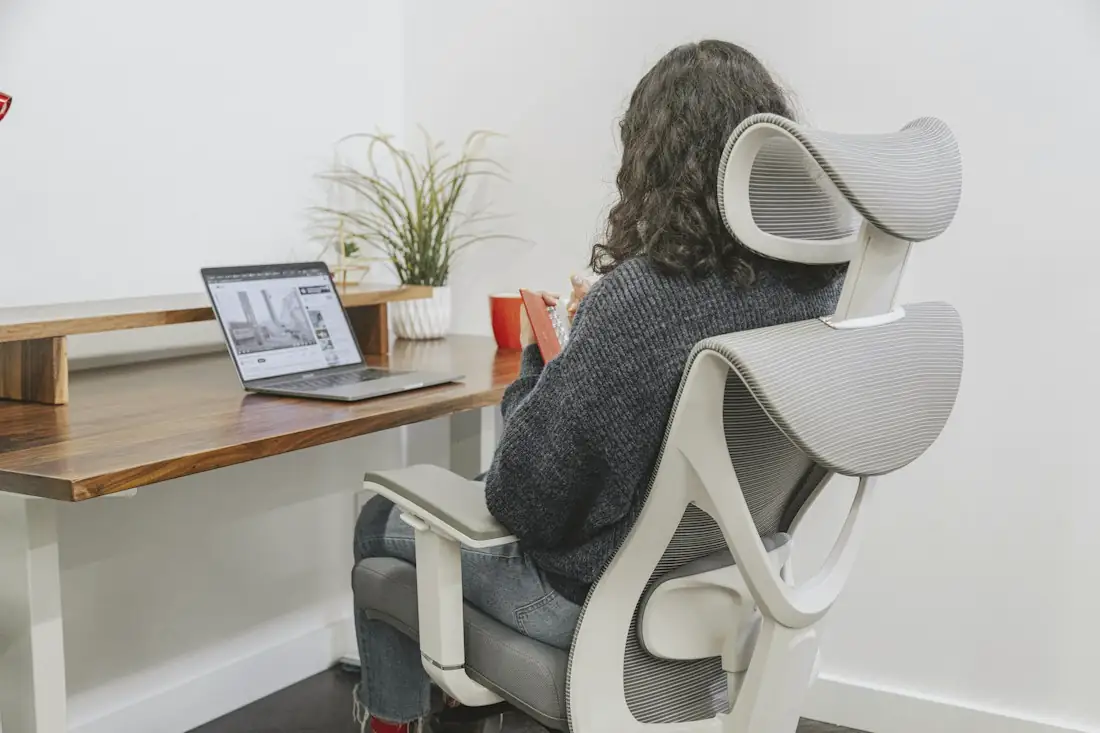
- Work: jobs with heavy lifting, pushing, pulling or twisting can injure the back. A desk job may also play a role if you have poor posture or sit all day in an uncomfortable chair [3].
- Sleep and mood: chronic poor sleep, depression or anxiety can make back pain more frequent and more severe [3].
- Age and genes: back pain becomes more common with age, particularly after 45, and genetics play a role in some disorders that cause it [3].
When to get care
Back pain with certain warning signs needs emergency care or prompt medical attention
Very rarely, back pain signals a serious problem such as a broken bone, cancer or an infection [1]. These signs need emergency care [1]:
- Pain, tingling, weakness or numbness in both legs [1].
- Loss of feeling around the genitals or anus [1].
- Bladder or bowel changes, such as trouble urinating or losing control of urine or stool [1].
- Changes in sexual function, such as trouble getting or keeping an erection or not being able to orgasm [1].
- Pain that began after a serious accident, such as a car crash [1].
Do not drive yourself
If you need emergency care for these signs, ask someone else to drive you or request an ambulance [1].
These signs need prompt medical attention [1]:
- Feeling hot, cold, shivery or generally unwell with back pain [1].
- Severe pain that starts suddenly or is getting worse quickly [1].
Back pain with fever, chills or unexpected weight loss is a reason to call your doctor [2].
If you think you may have a medical emergency in the United States, call 911 or go to the nearest emergency room.
A primary care doctor can look for the cause of back pain that lingers
See a doctor if your pain does not get better within a few weeks, whatever your age or symptoms [2]. The same goes for severe pain that does not improve with medication, or weakness, pain or numbness in your legs [3].
Other reasons to get checked include pain that is worse at night, pain that does not improve with rest, a lump or swelling in your back, pain that is worse when sneezing or coughing, or pain in the upper back between your shoulders [1]. Pain that is always present regardless of activity or position, a history of cancer, or vascular or arterial disease are also reasons to talk to your primary care doctor [2].
Your doctor will usually ask about your symptoms and history, then examine your back. This may include pressing on areas that hurt and having you bend forward, backward and side to side. Your doctor may also check reflexes at the knees and ankles, plus strength and sensation in your legs [2].
Sources
- Back pain nhs.uk
- Low Back Pain orthoinfo.org
- Back Pain Symptoms, Types, & Causes niams.nih.gov
Not medical advice. This page is general education written from the sources above. It cannot diagnose a condition or replace a licensed clinician who knows your history. If you may be having an emergency, call your local emergency number or go to the nearest emergency department.